

Inside the catchment: The Broads

Inside the catchment: The Broads and what nutrient work means for Britain’s largest wetland The River Bure rises near Melton Constable in north Norfolk and runs south-east for around 50 miles, gathering the Ant and the Thurne before it meets the Yare at Great Yarmouth and empties into the North Sea. Along the way it opens out into the […]
Inside the River Camel catchment
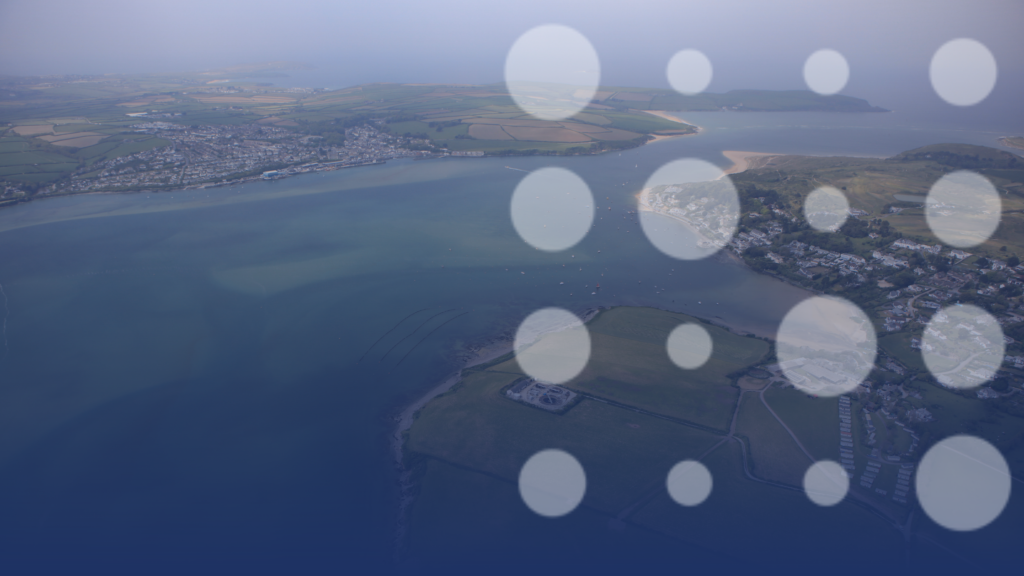
The River Camel rises on the edge of Bodmin Moor and runs roughly 48 kilometres north-west through North Cornwall to meet the Atlantic between Stepper Point and Pentire Point. The wider catchment covers around 413 square kilometres and drains much of the northern half of the county. It is the second-longest river wholly within Cornwall, and one of the few safe natural harbours […]
Inside the River Axe catchment: why it’s protected, what’s at stake, and what nutrient credit work is doing to restore it

As the UK continues to address the urgent need for new housing while protecting its waterways, Nutrient Neutrality has become the defining planning constraint in many of the country’s most ecologically sensitive river catchments. The River Axe is one of them, a Special Area of Conservation that has been in unfavourable condition for over forty […]
Phosphorus and nitrogen: what these nutrients actually do to rivers and why they must be measured precisely

Most people working in planning and development know nutrient neutrality by its effect, a stalled application, a delayed start date, a catchment that’s closed to new homes until mitigation is secured. Far fewer stop to ask what’s actually being measured, or why the precision of that measurement is the thing standing between a credit that holds up and one that doesn’t. […]
National Rivers Consortium wins best overall trade stand at the 2026 Royal Norfolk Show
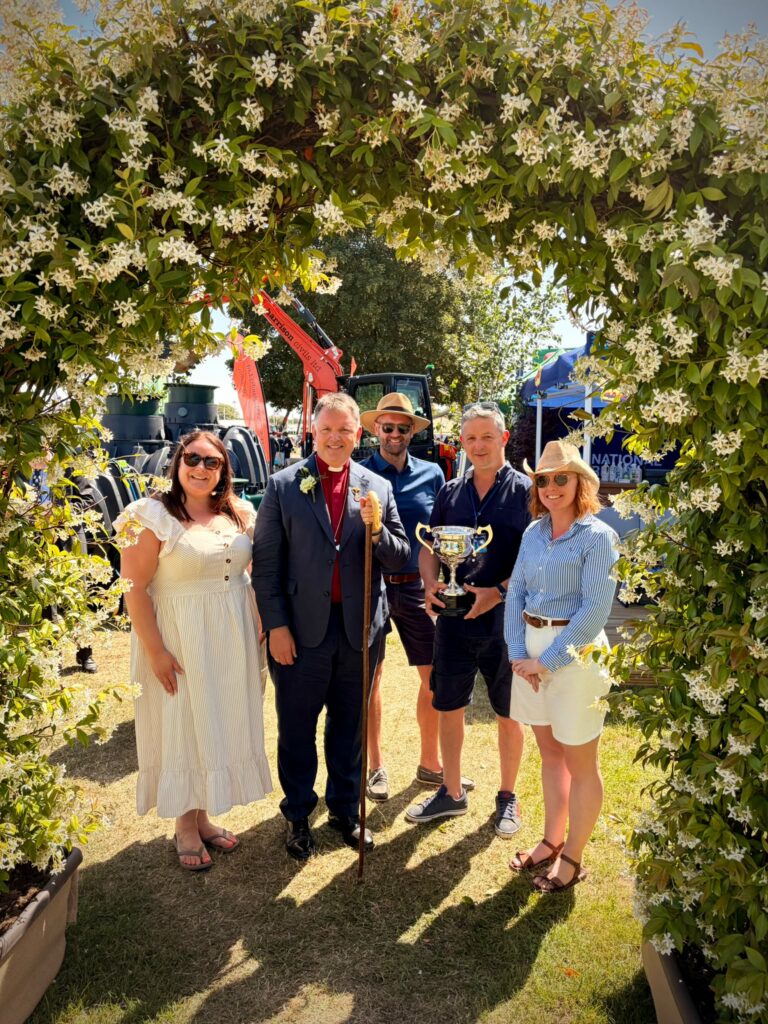
The National Rivers Consortium (NRC) has been awarded the trophy for best overall trade stand at the 2026 Royal Norfolk Show, recognised for the most effective and well-laid-out exhibit at the event, coupled with excellent customer service. The Bishop of Norwich and president of the Royal Norfolk Agricultural Association (RNAA) presented the award to the […]
The Nature Restoration Fund – Environmental Delivery Plans and the need for certainty in nutrient mitigation

By Zak Simmonds, National Rivers Consortium (NRC). Across England, the pressure to unlock housing while protecting the environment has never been greater. Nutrient Neutrality has become a defining issue for planning authorities, developers and regulators alike, with thousands of homes delayed due to concerns over pollution in protected waterways. In December 2025, the Planning and Infrastructure Act received Royal […]
Behind the science: meet Dr Chang Gao, NRC and Enviren’s wastewater treatment specialist

There are not many people working in Nutrient Neutrality who have spent four years studying what microorganisms do inside a wastewater treatment system at a molecular level. Dr Chang Gao is one of them. A Civil and Environmental Engineer at Enviren Ltd, part of the National Rivers Consortium, Dr Gao brings a depth of scientific expertise to this work […]
Conservation Covenants and what they mean for Nutrient Neutrality mitigation and new housing

As the UK continues to address the urgent need for new housing while protecting its waterways, nutrient neutrality has become a critical factor in enabling development to move forward. With planning consent in many areas now dependent on demonstrating no net increase in nutrient pollution, the focus has increasingly turned to the mechanisms that make […]
Effluent testing made clear: What the National Rivers Consortium tests for and why it matters

Across the UK’s nutrient-affected catchments, every package treatment plant installed to generate nutrient credits operates under a defined performance standard. The mechanism that verifies whether a plant meets that standard is effluent testing – the scheduled laboratory analysis of treated wastewater as it leaves the unit, measured against thresholds set by British and European standards […]
How Catchment Mapping Technology Improves the Accuracy of Nutrient Credit Schemes
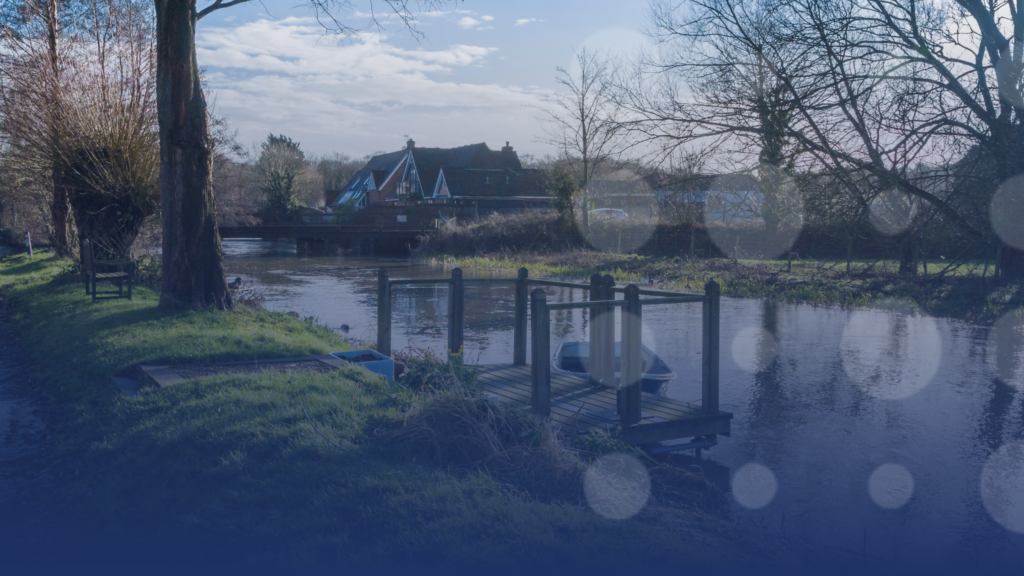
As the nutrient credit market has grown, so too has the variation in the quality of the assessments that underpin it. For developers, planning consultants and local planning authorities navigating the nutrient neutrality system, that variation matters far more than it might appear. The difference between a scheme built on rigorous hydrological analysis and one […]