

Inside the catchment: The River Mease and why this catchment is impacted solely by phosphorus
The River Mease is a small, winding lowland river that originates in north-west Leicestershire, flowing west through Derbyshire and Staffordshire before converging with the Trent near Croxall. It’s so unobtrusive that you might pass it without noticing. However, in this catchment, new housing cannot be constructed until it addresses the phosphorus it would contribute. Excess phosphorus levels in the water have effectively halted new developments, making the Mease distinctive. Unlike catchments that also contend with nitrogen, this one is impacted solely by phosphorus.
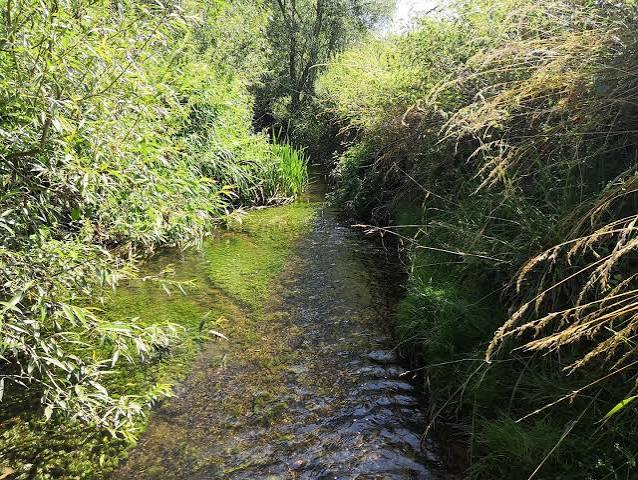
Why is the River Mease protected?
The Mease is protected by law as a Special Area of Conservation and a Site of Special Scientific Interest, primarily because of its fish. The most notable is the spined loach, which exists in only a few English rivers and has a unique population here. It shares this habitat with species like the bullhead, white-clawed crayfish, otter, and the water-crowfoot, which grows in clear, well-lit flowing water. All these species depend on the same vital condition: clean water flowing over pristine gravel. Phosphorus pollution threatens this environment by depleting this essential condition.
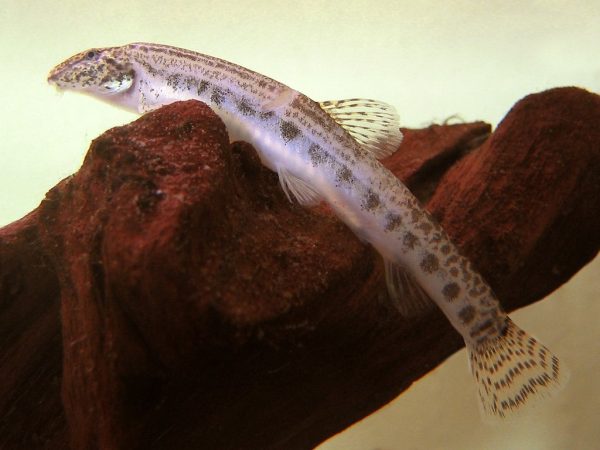
What too much phosphorus does to a river like this
Phosphorus acts like a fertiliser in water. Excess phosphorus promotes algae growth, including suspended algae that murk the water and slimy mats that settle on the riverbed. In rivers where fish spawn on gravel, this kind of growth is detrimental. Algae cover the clean gravel needed by species like bullhead and spined loach. This reduces light and oxygen reaching the bed, causing delicate water-crowfoot to be replaced by coarser plants that tolerate more nutrients. The river continues to flow and retains its appearance, but the natural conditions that support its wildlife gradually disappear.
The catchment that started fixing phosphate a decade early
The Mease stands out because it took action without waiting for the latest nutrient management advice. It had already identified poor water quality caused mainly by phosphate years earlier. In June 2011, a Water Quality Management Plan was completed with a clear objective: reduce dissolved phosphorus in the river to no more than 0.06 mg/l. To prevent new housing from increasing the load, the River Mease Partnership established a Developer Contribution Scheme, where developers contributed funds for phosphate reduction efforts across the catchment. These funds funded the creation of wetlands, sediment traps, and river restoration projects at locations such as Edingale and Croxall. That scheme has since closed, having delivered its phosphate mitigation and reached the limit of the new development it could offset. This catchment has recognised the importance of phosphate control and has been actively investing in its reduction for more than ten years.
What Nutrient Neutrality means for building here
In March 2022, Natural England advised the local authorities in the Mease catchment that new developments increasing phosphorus levels in the river could only be permitted if they demonstrated Nutrient Neutrality. Under the Habitats Regulations, planning authorities can only approve projects if they are confident there will be no harm to the protected river. If this cannot be assured, the application is not approved.
For a new home, that phosphorus comes mainly through wastewater. More residents mean more sewage, which raises phosphorus levels in the river, even after treatment. Nutrient Neutrality requires developers to offset this: for each unit of phosphorus added, an equivalent amount must be removed elsewhere in the catchment, ensuring no overall increase. This guidance shifted how the Mease operates. The Developer Contribution Scheme that funded earlier work has now ended. New development in the Mease instead follows a formal nutrient neutrality approach, based on Natural England’s national method. Developers now need to prove that the phosphorus their development produces has been genuinely offset before planning permission is granted, and that this offset remains effective throughout the development’s lifetime.
What NRC does in the River Mease
Our work here is straightforward; we deal with phosphorus at source.
We find homes running old or failing septic tanks in the catchment and replace them, free of charge, with Graf One2Clean treatment plants assembled and calibrated at our factory. That upgrade is where the reduction comes from. An old or failing septic tank can let poorly treated effluent seep towards the water, carrying phosphorus with it. A Graf One2Clean is a full sewage treatment plant, and the water it discharges is cleaner and has lower nutrient levels.
Each unit is monitored once it is in the ground, so the phosphorus reduction it delivers is measured and verified rather than assumed. That verified reduction is then made available to developers as nutrient credits to meet their planning condition. Because the credit is generated inside the Mease catchment, it can be used against development inside the Mease catchment, which is exactly what the rules require.
We are a direct supplier of that reduction, not a broker sitting between you and someone else’s scheme. We install the plants, we monitor them, and the credits come from work we have done in the ground.
If you are building in the River Mease catchment and your scheme carries a phosphorus requirement, we can help.